
Emetophobia and the Menstrual Cycle
Your menstrual cycle can impact your emetophobia symptoms.
By Jane Pendry, Solution Focused Hypnotherapist and Emetophobia Specialist.
DSFH, HPD; Reg CNHC, AfSFH, MNCH, ABNLP, ABH, IARTT; BA Hons (London), PGCE (Cantab)
Emetophobia and the Menstrual Cycle
If you are a biological women living with emetophobia, your intense fear of vomiting, fear and anxiety may not be consistent throughout the month. Some weeks you may cope well. Other times, your fear feels intense and hard to manage, even when nothing obvious has changed.
Why is that?
Understanding hormonal changes
For many biological women, this apparent inconsistency is closely linked to the menstrual cycle. That explains one reason why emetophobia is so much more common in women. Understanding how hormonal changes affect anxiety may be affecting your bodily sensations and threat perception may be a powerful step towards your recovery
“The time of the month hugely impacts the rollercoaster of emetophobia!”
Why Is Emetophobia More Common in Women?
Women are significantly more likely than men to experience anxiety disorders and specific phobias; including emetophobia. This isn’t because women’s brains are wired to be more anxious by nature. It’s because the functioning of many women’s nervous systems is shaped and influenced by hormonal rhythms, alongside social and psychological factors. Emetophobia is not just about the fear of the sensation of vomiting; it is also linked to:
Fear of loss of control
Disgust
Anticipatory anxiety
Sensitivity to nausea or stomach sensations
All of these are influenced by reproductive hormones, especially oestrogen and progesterone.
How the Menstrual Cycle Affects Anxiety and Emetophobia
The menstrual cycle affects the brain as much as the body. Hormonal shifts influence mood regulation, the stress response and how we unconsciously interpret sensations.
The Follicular Phase (After Your Period)
From menstruation to ovulation, oestrogen gradually rises. At this time, many women notice:
Lower baseline anxiety
Better emotional balance
Less intense fear responses
Improved ability to rationalise anxious thoughts
During this phase of the cycle, emetophobia may feel more manageable. Triggers are still there, but they don’t carry the same emotional punch.
“I feel like near the time of my period 12 days before I notice a change, anxiety, mood swings, tiredness, nausea, cramping on and off, and then 4 / 5 days before period it gets significantly worse and the day before my period I get very nauseous and extremely tired with bad cramps”
Sleep is often better during the follicular phase too, helping to reduce anxiety overall.
This is a good time to take on more exposure challenges and to work on changing your automatic negative thoughts (ANTs), and persistent patterns of ruminating and obsessing.
The Luteal Phase (After Ovulation)
After ovulation, progesterone rises and oestrogen drops. This phase of your cycle is associated with:
Increased anxiety sensitivity
Heightened vigilance
Stronger reactions to bodily sensations
More rumination and “what if” thinking
For someone with emetophobia, this can mean an increased fear of nausea and a heightened awareness of stomach sensations.
At this time, sufferers may find their safety and avoidance behaviours increase. They are more likely to seek out more reassurance. Irrational and superstitious rituals may increase. There may be a general sense that anxiety comes “out of nowhere” which exacerbates any feeling of being ‘out of control’.
If you experience this, nothing is wrong with you. Your nervous system is just more sensitive during this window and you need more self care.
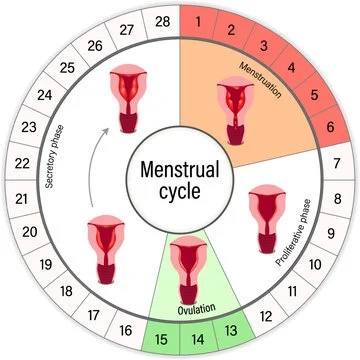
Menstrual cycles can impact anxiety disorders like emetophobia. Photo © Adobe
Before and During your Period
Emetophobia isn’t just about vomiting. It’s also about what vomiting represents, for example a feeling of a loss of control, a sense of threat, potential humiliation or shame or fear of not coping well.
These experiences may be particularly true for parents with emetophobia who fear they may not be able to take care of a sick child, or who are worried they will pass their fear on to their child.
Research shows that anxiety sensitivity and a heightened awareness of physical sensations can also increase during this premenstrual phase. Normal sensations (fullness, reflux, mild nausea, bloating) are more likely to be interpreted as a threat or to cause distress.
“I struggle with PMS so my nausea starts already three days before my menstruation actually starts. With the nausea. my emetophobia reaches its highest level, but once menstruation begins, emetophobia kind of calms down and becomes a little bit better. But I still have this fear for the entire 6-7 days of menstruation, what if I vomit?”
When hormones amplify vigilance, the brain is quicker to ask: “What if this means I’m going to be sick?” That question alone can trigger panic, nausea and a fear spiral. Sometimes this anxiety continues on during your period and begins to pass towards the end. But just knowing this may be linked to hormones, can help you address your spiralling though - Tjets… particularly if you notice there’s a pattern.
Where Trauma Fits In
For some people, emetophobia is shaped by earlier experiences involving sickness, helplessness, shame or lack of support at a vulnerable time.
Commonly emetophobia develops when a child faces illness without the support of an emotionally available parent or carer. Perhaps someone was sick on. a school trip or at a friend’s house and other children reacted with disgust or teasing. Or maybe someone (or themselves) vomited and no-one witnessed or addressed the overwhelm, fear or disgust they experienced.
Whether a child was sick themselves, or witnessed someone being sick, this multi-sensory (loud, physical, smelly and gross) apparently sudden event can simply make overwhelm a child’s nervous system.
Sometimes, hormonal changes in an older child bringing heightened anxiety adds to the sense of overwhelm.
Trauma - a big word for a natural bodily function
A child can be quite easily traumatised by a vomiting event because their nervous system has not fully developed.
Trauma sounds like a big word; but all it means is that your nervous system was overwhelmed and you did not have the resources to cope, understand your feelings or make sense of the event. Menstrual cycles can impact our vulnerability to experience anxiety, stress … and trauma.
Past danger v present safety
“My anxiety is surrounding sickness bugs specifically, but 5 days before my period my anxiety increases so much!”
Traumatic experiences can make the nervous system more reactive and less able to distinguish past danger from present safety. However, trauma is not always present, and it doesn’t need to be severe or obvious to influence the development and an embedded and entrenched fear response.
Hormones and anxiety sensitivity alone can be enough to maintain emetophobia and exacerbate the symptoms of anxiety. The key point here is that your reactions are trying to protect you, not break you.
Why some therapeutic approaches feel just too hard
Many people with emetophobia are told to “face the fear” or push through exposure exercises.
While these approaches can often help to some degree or another, they can often ignore:
Hormonal vulnerability
Nervous system dysregulation due to hormone fluctuations
Timing within the menstrual cycle
Trying to address your fear during a hormonally sensitive phase can feel overwhelming, and in some cases lead to your emetophobia getting worse. Sufferers may even blame themselves for their lack if progress, and a develop sense of failure when anxiety spikes during therapy. They may believe they can’t be helped and will be stuck with the condition forever.
Work with your biology
But struggling to recover, or finding a therapy session has set you back, doesn’t mean you can’t recover from emetophobia. It means your therapist needs to consider your biology (alongside any other trauma, anxiety related condition, your environment and support structure) when working with you.
Addressing your thoughts through cognitive behavioural therapy or exposure and response prevention therapy will help, but may not be the whole answer.
Tracking your cycle
It’s worth monitoring your cycle and your mood changes in a calendar so you can see the patterns. Many Sense-Ability clients use the Flo app to track their periods, ovulation, pregnancy, and perimenopause to help them better understand their cycle and plan their activities.
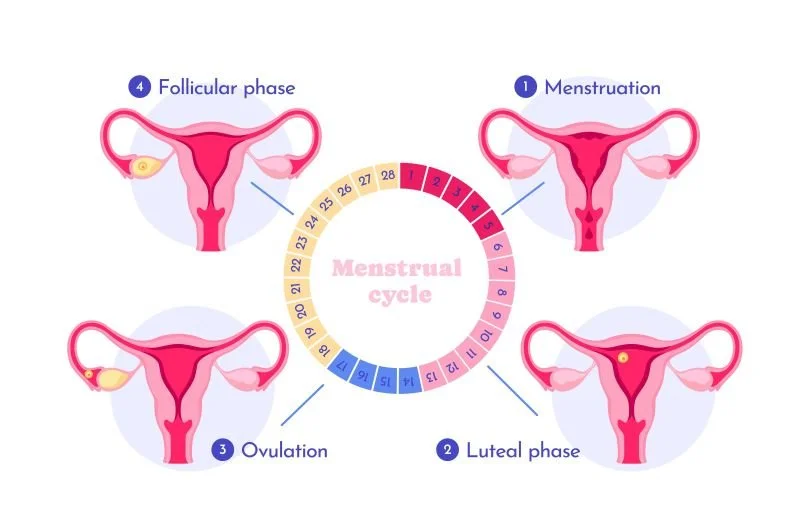
Plotting your cycles, and noting when anxiety and fear rise, can help you manage emetophobia
Therapy and your Cycle
At Sense-Ability, emetophobia recovery is not treated as a one-size-fits-all problem.
The Sense-Ability Emetophobia Recovery Pathway works with your nervous system and hormonal rhythms, rather than against them. This approach considers:
Reducing overall anxiety first
Building an emotional regulation and somatic tool kit
Understanding your menstrual cycle patterns and how they impact you
Gently addressing triggers at the right pace and at the right time in your cycle
Using trauma-informed techniques where needed
Tools may include mindfulness, breathwork, nervous system regulation, NLP, hypnotherapy, EMDR, Rewind Trauma Therapy, and parts-based therapies tailored to the individual.
Awareness Can Change Everything
When you understand your cycle, you can learn to:
Predict flare-ups instead of fearing them
Reduce shame and self-criticism
Plan support during vulnerable phases
Feel more in control of your recovery
Many clients find that once they stop fighting their biology, progress becomes steadier and far less exhausting.
What else helps?
If you live with emetophobia, nausea around your cycle can feel particularly unsettling. Even small shifts in your body can trigger worry, hyper-awareness, or that familiar rush of “what if?” thoughts.
It’s important to remember that hormonal nausea is common and doesn’t automatically mean you’re going to be sick.
Your body is responding to natural fluctuations … and not signalling danger.
Gentle, preventative care can help you feel more grounded.
Eating little and often, keeping your blood sugar stable, and sipping cool drinks throughout the day can reduce physical triggers.
Ginger (in warm tea, capsules, or chews) is widely used to ease nausea, and peppermint tea can feel both soothing and comforting.
Some people also find acupressure wrist bands helpful; the light pressure can ease nausea for some.
Supporting your body in other ways can help too. Heat packs, rest, or gentle stretching can ease cramps, which may in turn reduce nausea.
When to consult your doctor
If symptoms feel overwhelming or are interfering with your life, speak to your GP.
Discuss all the options with your GP, and do some research to explore what helpful support might be available.
A Note on Perimenopause and Menopause
Hormonal sensitivity doesn’t end with the menstrual cycle.
Many women notice changes in levels of anxiety, sleep patterns and bodily awareness during perimenopause and menopause, when oestrogen and progesterone levels fluctuate or decline.
For some, emetophobia may temporarily intensify or resurface during this stage — even if it had previously improved. This does not mean recovery has failed. It reflects a nervous system adapting to a changing hormonal environment.
A hormone-aware, nervous-system-focused approach remains just as important during midlife as it is earlier on.
PS: I will be writing about this too shortly.
Life Beyond Emetophobia
Recovery isn’t always about eliminating all anxiety or never feeling nauseous again - although many clients do. Recovery is often about monitoring stress, general anxiety and hormones and:
Trusting your body
Reducing fear-based avoidance
Feeling emotionally safe; even during hormonal shifts
Acceptance that emotional responses do vary and we always live through challenging times
Reclaiming your life from constant vigilance
With the right support, emetophobia no longer needs to dictate what you eat, where you go, or how you live.
“I’m due in 4-5-6 days and today my anxiety has been over the roof. Nausea that just sits there and other anxiety symptoms. I keep track every month and write down how I’m feeling and it’s so obvious. ”
References & Further Reading
McLean, C. P. et al. (2011). Gender differences in anxiety disorders. Journal of Psychiatric Research
Altemus, M. et al. (2014). Sex differences in anxiety and depression. Frontiers in Neuroendocrinology
Li, S. H. & Graham, B. M. (2017). Why are women more vulnerable to anxiety disorders? Journal of Psychiatry & Neuroscience
van Wingen, G. A. et al. (2011). Progesterone effects on amygdala reactivity. Neuropsychopharmacology
Yonkers, K. A. et al. (2008). Premenstrual mood and anxiety changes. American Journal of Psychiatry
Jane Pendry is a multi award-winning Solution Focused Hypnotherapist. She specialises in Emetophobia, and developed the Emetophobia Recovery Pathway to help people with emetophobia manage their fears, overcome their phobia and improve their quality of life.
www.sense-ability.com
Ref: https://neurosciencenews.com/multitasking-brain-overload-6531/
“Whatever it is, the way you tell your story online can make all the difference.”